



Our company at a glance

80% organic

97% plant-based

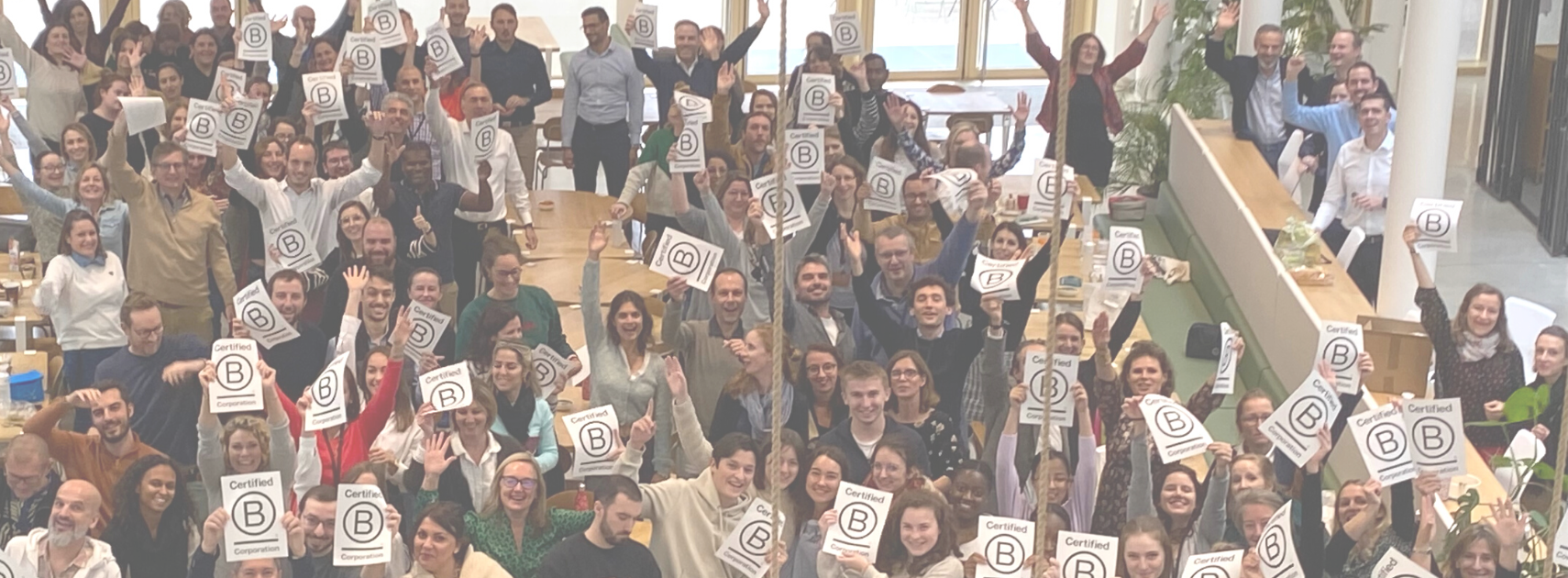
Europe’s first largest B Corp food business

1,600 employees

9 manufacturing centers in 7 countries in Europe

16 purposeful brands

€690M turnover

1 charitable
foundation
Our game-changing recipe:
to restore and protect ecosystems

No chemicals

Plant-based meal & dairy alternatives
Fighting food standardisation
Above & beyond organic farming
Restore & protect biodiversity
Meet our family of
biodiversity-feeding brands
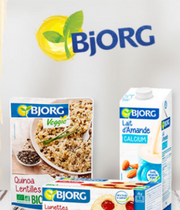
Bjorg
Bjorg is the leader and pioneer of the organic market in France, with a focus on healthier, more balanced quality foods spanning dairy-free drinks, vegetable cooking aids, breakfast cereals, biscuits and meat alternatives.
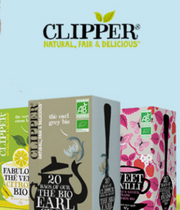
Clipper
Clipper is the UK’s first and largest fair trade and organic tea brand and now a household favourite in more than 50 countries across Europe and the world, too. It was the first to introduce unbleached, non-GM and fully biodegradable tea bags of which is now sells more than 1bn a year. The winner of more than 60 Great Taste Awards in 20 years Clipper’s commitment is to always be Natural Fair & Delicious
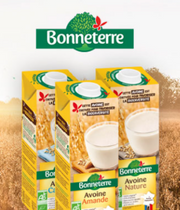
Bonneterre
Organic and better for people and the planet.
Created in 1973 by the pioneer Robert Bonneterre, the brand brings human know-how and fruits of the earth together through organic and tasty recipes.
Bonneterre is the most trusted and best-known brand in French Health Food Stores.
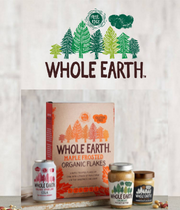
Whole Earth
Natural and wholesome foods that are good for you and good for the earth. The range includes nut butters, cereals and sauces made with all-natural ingredients. Whole Earth is the UK’s no.1 peanut butter brand, best known for its growing spreads portfolio. It is a proud supporter of the Sumatran Orangutan Society.
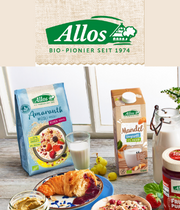
Allos
Allos was established in 1974 on a farm in Drebber, in northern Germany. The rural farm remained home to the organic pioneer as the brand kept growing and became market leader for organic cereals, bars and fruit spreads in German health food stores. With its flagship project “Biene sucht Blüte”, founded in 2012 by passionate employees, Allos is eager to preserve biodiversity by providing food and habitat for bees.
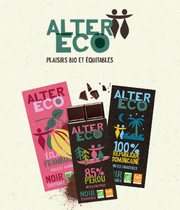
Alter Eco
Pioneer of fair trade and organic chocolate and coffee in France. Working together with farmers for decades already on preserving an rejuvenating ecosystems, reversing climate change and better living conditions. Also, the chocolate tastes amazing :).
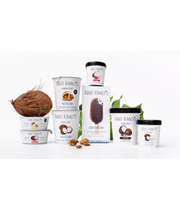
Abbot Kinney’s
It’s time to flip the standard and make plant-based the new norm. Since 2014 it has been Abbot Kinney’s mission to create the most delicious dairy alternatives, using simple, organic and natural ingredients. That’s simply better for wildlife, soil and farm animals. Plant-based is the way forward, so, Abbot Kinney made it delicious.
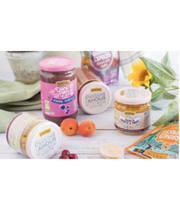
Danival
Since 1990, Danival has been dedicated to making healthy, tasty and locally-sourced organic ready-to-eat recipes (fruit purees, ready meals and the first, made-in-France, Japanese products (miso). At the Andiran Mill (South West France), Danival was one of the first French companies to be Bio Ecocert certified.
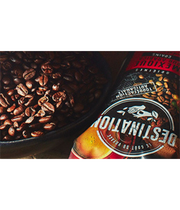
Destination
Destination has sourced the best organic and Fairtrade coffee beans and tea leaves from across the world since 1999. It is the number one organic coffee brand in French health food stores and is dedicated to continuing the traditional French know-how of artisanal coffee roasting at its facility in Bordeaux.
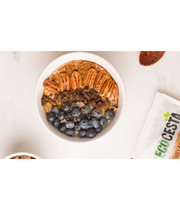
Ecocesta
Delicious organic food for everyone. Ecocesta was born in Spain to make organic food accessible for every consumer in their daily grocery shopping. The brand champions eating organic food as a healthy, delicious and sustainable way of living.
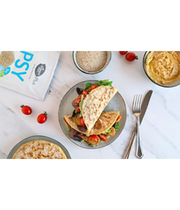
El Granero Integral
Bringing organic food to consumers since 1982. El Granero is a trusted and established brand committed to making quality foods for today’s consumers and future generations. It has a broad portfolio of more than 500 delicious, high quality and sustainable products. It is why El Granero is the leading organic brand in the health food trade in Spain.
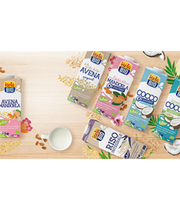
Isola Bio
Organic to the roots, plant based at heart. Since 1999, Isola Bio has served organic deliciousness; becoming the #1 dairy-alternative brand in health food stores in Italy and a world-leading brand. A true pioneer, it crafts the healthiest recipes with the finest plant ingredients straight from its own lands – taking care of you and the planet.
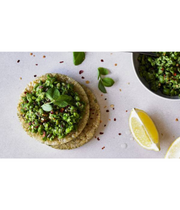
Kallø
Good, honest food that is better by nature. Kallo makes a wide range of gluten-free snacks including rice, corn, lentil and veggie cakes to organic stocks and gravies for hassle-free home cooking. The brand takes pride in using carefully-selected natural and simple ingredients – with no added artificial preservatives, colourings or flavourings.
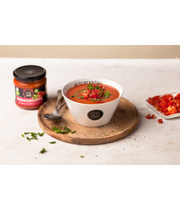
Little Lunch
Little Lunch, the lunch break revolution. Since 2015 Little Lunch has been redefining the convenience concept – from “quick & dirty” to “sustainable, easy & healthy”. Its focus is on the highest quality, sustainable packaging as well as exceptional recipes and delicious taste. For its ready-to-eat soups and sauces, it only uses the best organic ingredients, ensures an extra high proportion of vegetables and consciously avoids artificial additives and preservatives.
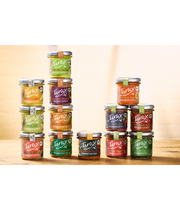
Tartex
Tartex is famous for its delicious vegetarian spreads. With over 80 years of experience, the veggie pioneer is still bringing delicious, organic innovations to the market. Located in the German black forest, Tartex is not only close to nature, but bringing nature to the plate. The tasty savoury spreads are based on a wide range of organic ingredients and support biodiversity with diverse recipes. A perfect brand for dinner-time with the loved ones.
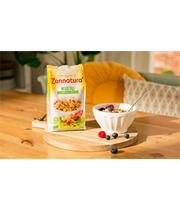
Zonnatura
Zonnatura has been an organic pioneer since it’s launch in 1954. It is the number one organic brand in Dutch grocery stores. Zonnatura was one of the first to bring on-trend and functional foods to the grocery channel in the Netherlands. It is still doing this successfully with ingredients like kombucha and its pure ginger juice.
News & Happenings
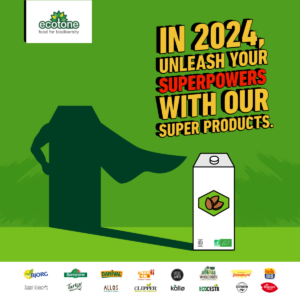
In 2024, use your consumers’ Superpowers!
We hear the word ‘regenerative’ a lot, but what is Ecotone’s position on it?
Ecotone successfully recertified as a Great Place to Work!
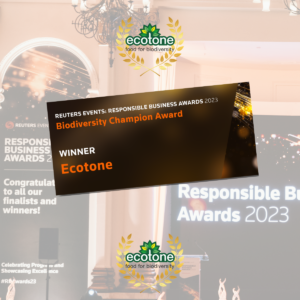
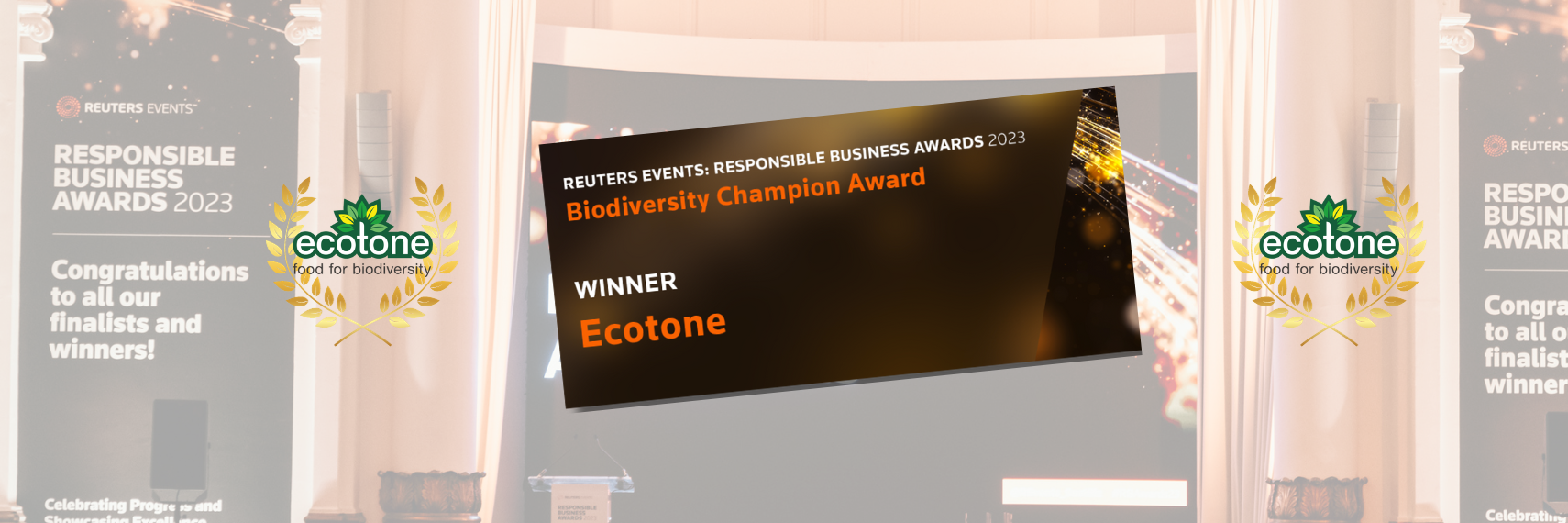
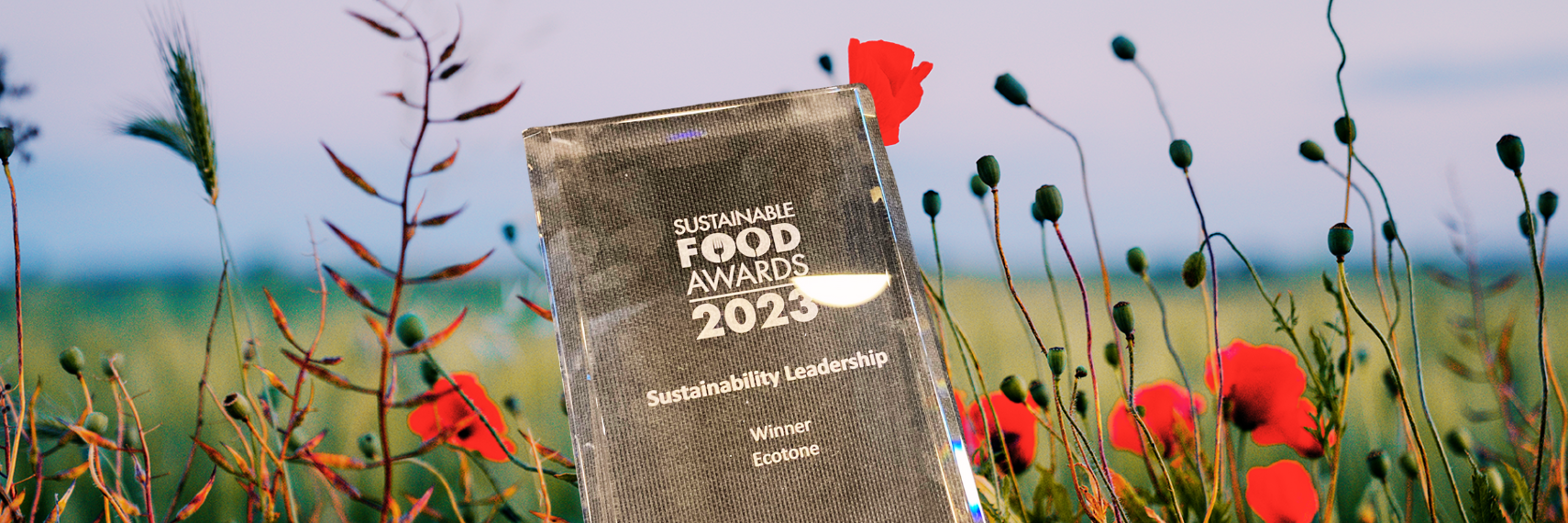
Ecotone, winner of the Biodiversity Champion Responsible Business Awards!